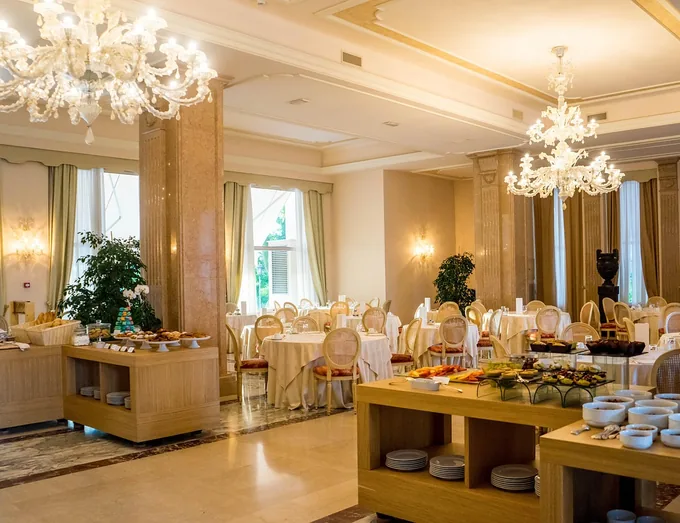
Casinos create compelling spaces by combining architectural planning, sensory design, and hospitality service. The goal is to keep guests comfortable, oriented enough to keep moving, and interested in staying longer than they originally planned.
These techniques are not secret tricks. They are standard practices in retail, hotels, and entertainment venues, applied with special care inside regulated casino environments. Rules differ by state, and responsible gambling safeguards are required alongside the design features.
How does the floor plan shape guest movement?
Casino floors often use curved pathways, angled banks of slot machines, and partial sight lines rather than straight aisles. This layout encourages exploration and repeated exposure to different games without making guests feel lost. Traditional designs may keep exit routes less obvious, while modern resort casinos sometimes open up atriums and use clear signage.
The same logic shapes the wider resort layout, where hotel towers and restaurants are arranged to move guests past active gaming areas — a pattern covered in behind the design of a modern casino resort. In many properties, essential services such as registration, elevators, and restrooms sit near or just beyond gaming spaces, so routine movement creates repeated contact with the floor.
Designers also use spatial zoning. Slot banks may fill the central floor, while table games and high-limit areas occupy distinct rooms or raised platforms. Carpet patterns, color changes, and ceiling height can mark transitions between zones, though there is no universal rule. The effect is a space that feels varied but never requires guests to make a deliberate decision to keep exploring.
Some designers create a decompression zone near entrances — a lower-stimulation area that lets guests adjust before they reach the high-energy floor. This gradual transition makes the shift from outside to inside feel less abrupt and can make the gaming floor itself feel more welcoming.
What role do light, sound, and scent play?
Lighting, sound, and scent are sensory tools that shape mood and attention. Many traditional gaming floors minimize direct views of clocks and daylight, though modern resort designs often reintroduce windows and natural light. Warm, constant ambient light can make a space feel timeless while highlighting individual machines and tables.
Sound layers — ambient music, machine-generated tones, and soft crowd noise — signal activity and energy. Some casinos use subtle, signature scents to improve comfort and create a memorable association. These sensory elements work together to reduce outside distractions and keep attention inside the designed environment.
Acoustic design matters as much as volume. Ceiling materials, carpeting, and machine placement can soften harsh noise without creating silence. Lighting color temperature also shifts perception: warmer tones tend to feel residential, while cooler, brighter zones signal alertness near tables and cashier areas.
Not everyone responds the same way. For some guests, constant sound and artificial light can be overwhelming rather than energizing. Many properties now include low-stimulation areas, non-smoking sections, and natural light pockets for comfort.
How do hospitality and comfort extend visits?
Comfort is a retention tool. Ergonomic seating, climate control, accessible pathways, and nearby food and beverage service lower physical fatigue and cognitive load. When guests do not have to leave to meet basic needs, they are more likely to continue whatever activity they came for.
Service staff, security, and wayfinding also matter. A well-staffed players club desk, visible security, and clear directional signs reduce uncertainty. Inside the casino resort guest experience, these hospitality touches distinguish a polished property from a purely transactional gaming hall.
Non-gambling guests benefit from the same infrastructure. Comfortable lobbies, all-day dining, and accessible restrooms make the property welcoming for business travelers, event attendees, and family members who may never approach a slot machine. That broad comfort keeps the overall environment populated and calm, which can make longer visits easier for everyone.
Employees are often trained to read guest cues and offer help without interrupting play. Complimentary drinks, meal vouchers, and room upgrades are hospitality tools as much as rewards, designed to keep the guest experience smooth.
How do loyalty programs and player rewards influence behavior?
Player club cards and comps — complimentary items or services given based on play — create continuity across visits. Tiered status, visible point balances, and targeted offers make the relationship feel ongoing rather than one-off. The rewards are often tied to tracked play through technology that powers modern casinos.
The technology powering modern casinos feeds loyalty accounts and delivers offers designed to bring guests back. Terms vary by property and state, and not all play earns the same rewards. Players should read the terms of any loyalty program before providing personal information.
Loyalty systems are not an obligation to play. They are marketing tools that reward frequency, similar to airline miles or hotel points. Guests who set their own time and money limits in advance can treat loyalty rewards as a side benefit rather than a reason to keep spending.
Because these programs rely on personal data, reputable operators publish privacy practices and allow guests to opt out of marketing. Using a player card does not require increasing a gambling budget, and many guests use the card only for discounts or non-gaming perks.
What do non-gaming amenities add to the casino resort?
Hotels, restaurants, pools, shows, retail, and meeting space create a full resort environment. These amenities attract visitors who may not gamble at all, and they keep guests inside one property where the gaming floor is always nearby. The integrated resort model reduces the friction of leaving and re-entering.
The evolving role of non-gaming amenities shows how these spaces now drive a large share of revenue and shape guest expectations. For local officials and communities, the mix of amenities affects the economic footprint of the property.
Many modern properties are designed as destination resorts first and gaming halls second. This shift changes the psychological frame: guests enter for a concert, convention, or dinner and move through gaming spaces as part of a larger itinerary. The casino becomes one attraction among several, which paradoxically keeps it integrated into the visit.
Conventions and entertainment draw large groups who may have free time between sessions. The casino floor is often located between meeting rooms and hotel elevators, making it a natural pass-through. This circulation plan is intentional, even when it feels incidental.
How do regulation and responsible gambling fit in?
Casino design operates inside a regulatory framework. In states with commercial casino gaming, regulators license the operation and may review floor plans, surveillance coverage, and internal controls, though they generally do not dictate décor. Tribal casinos operate under the Indian Gaming Regulatory Act, with the National Indian Gaming Commission providing federal oversight and tribes negotiating compacts with states for Class III gaming.
Responsible gambling information is typically required on signs, player-facing materials, and employee training. Many casinos also participate in voluntary self-exclusion programs. The National Council on Problem Gambling publishes practical guidance for setting time and money limits, and the national helpline 1-800-GAMBLER connects callers to local support. For a broader view, see understanding casino regulation in the United States.
State approaches differ. Some states require specific responsible gambling messages at every entrance; others rely on property-level policies. State regulators such as the Nevada Gaming Control Board publish responsible gaming materials and administer self-exclusion lists in their jurisdictions. The common thread is that compelling casino spaces must also be accountable spaces, with tools for guests who want to pause or stop.
Reading the space as a guest
Guests can learn to notice the design choices around them. The table below compares common elements with their typical execution and intended effect, though individual properties vary widely.
| Design element | Common execution | Intended effect |
|---|---|---|
| Floor plan | Curved paths, clustered machines, limited long sight lines | Encourage exploration and repeated exposure |
| Lighting | Constant warm ambient light, highlighted game areas | Reduce time cues and focus attention |
| Sound | Ambient music, machine tones, soft crowd noise | Signal activity and energy |
| Scent | Subtle signature fragrance in air handling | Improve comfort and brand memory |
| Comfort | Ergonomic seating, nearby food and beverage, climate control | Lower fatigue and need to leave |
| Rewards | Player club cards, tier status, visible point balances | Create routine and perceived progress |
Some features are easier to spot:
- Curved or angled pathways that hide destination points.
- Lighting levels that stay constant while you are on the floor.
- Players club desks placed near entrances and exits.
- Food, restrooms, and cash access positioned past active gaming areas.
- Signage for responsible gambling and self-exclusion at entry points.
Recognizing these patterns can help you decide how long to stay, when to take a break, and how to keep gambling within pre-set time and money limits. Compelling spaces are not inherently harmful, but they are designed to hold attention, and attention is easier to manage when you know what to look for.